 For artists, so much attention is placed on the moments when the curtain rises: the booking, the opening night, the applause, the next big opportunity.
But what happens after the curtain falls?
What happens when the contract ends, the show closes, the project wraps, and you find yourself asking that familiar question: What’s next?
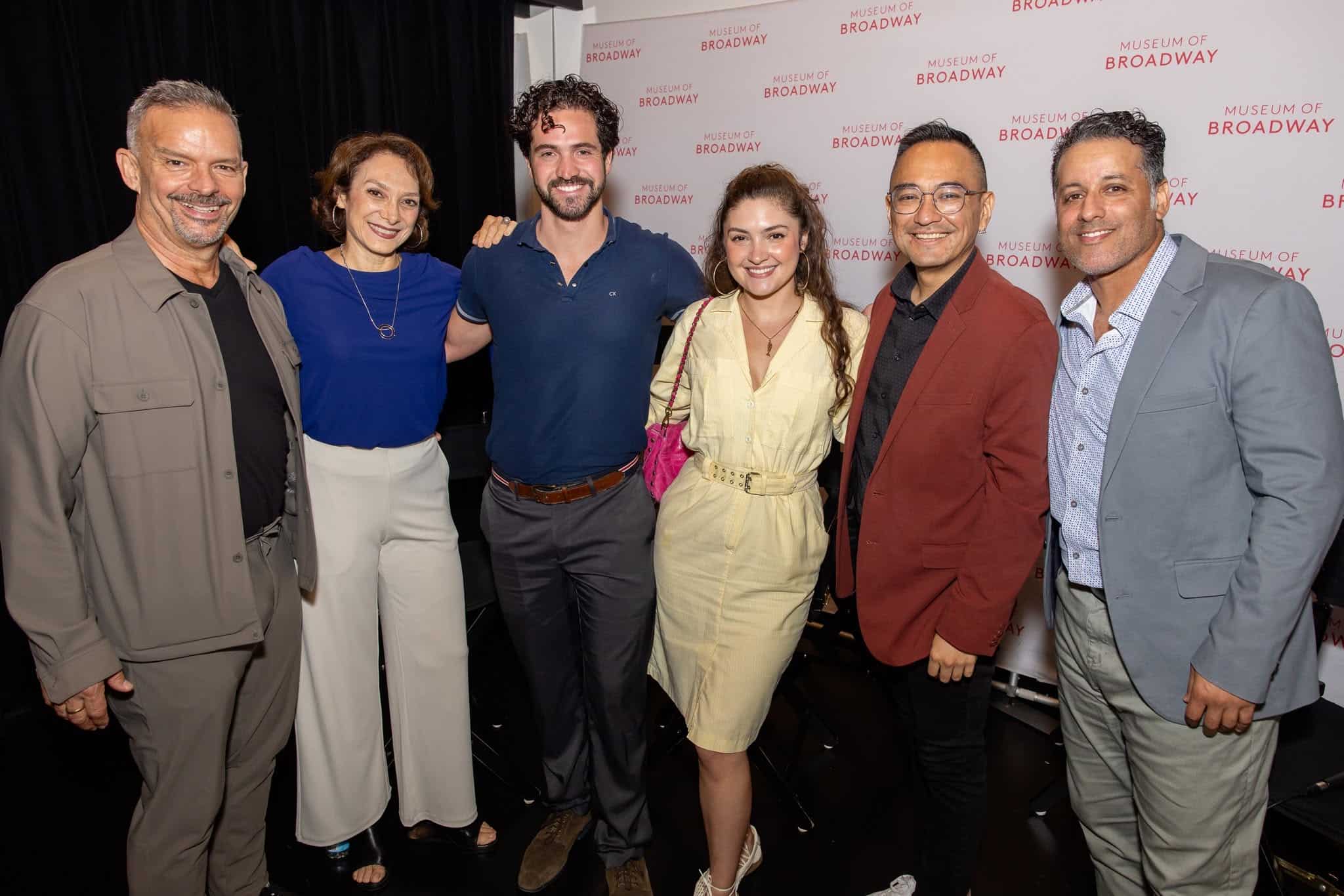
On September 16th, mi gente de R.Evolución Latina brought our community together at the Museum of Broadway for “After the Curtain Falls: Navigating Life and Work In Between Projects,” an honest conversation about something every artist experiences but we don’t always talk about openly: the space between jobs.
Hosted by RL’s co-founders, Luis Salgado and Gabriela Garcia, the conversation featured Maria Bilbao, Matías De La Flor, Alfredo Macias, and Rick Negron, who shared how they navigate the inevitable pauses, pivots, and transitions of an artistic career.
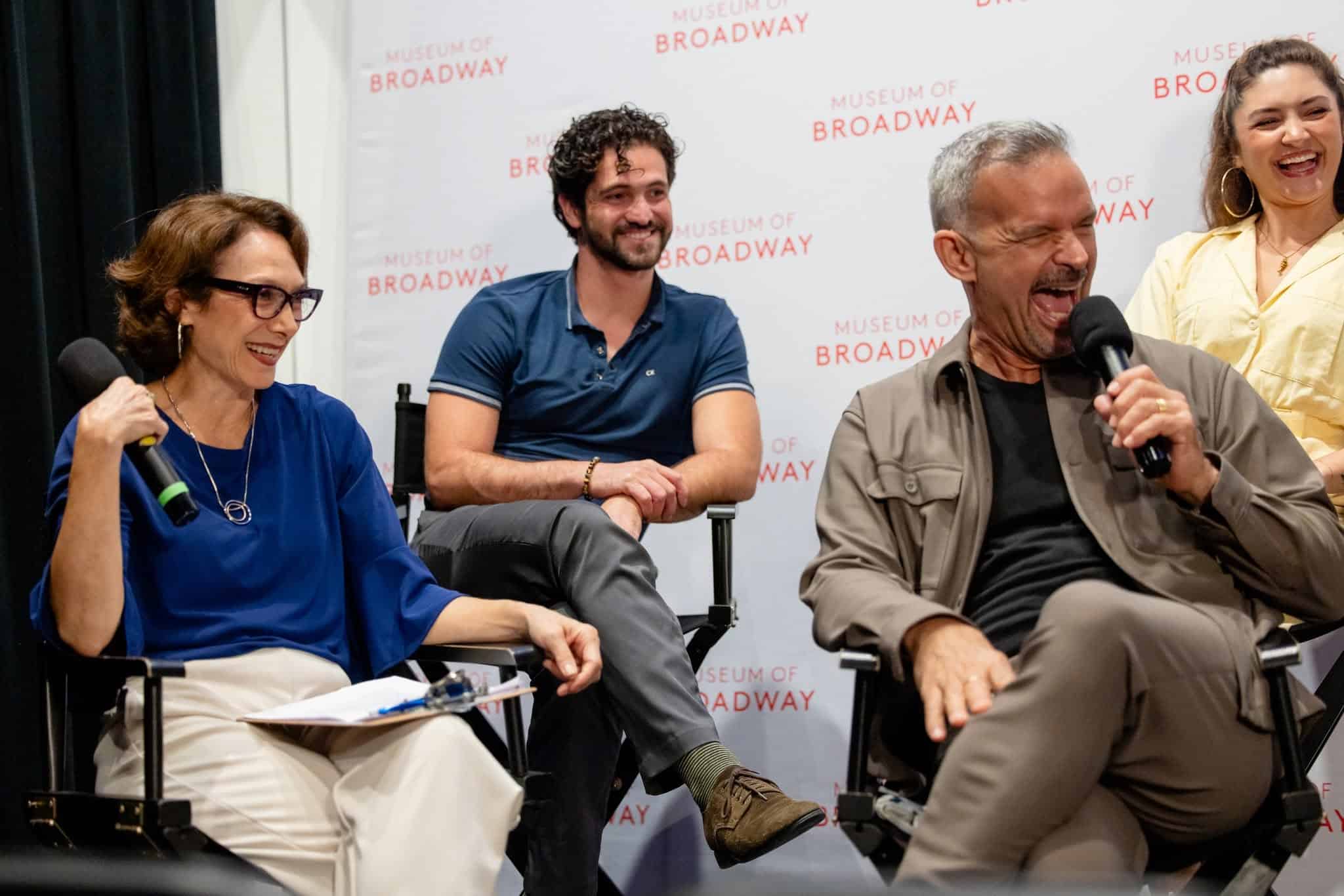
And while each artist has developed their own approach, one message became clear to me: the time between projects is not empty time. It is part of the work.
For Maria Bilbao, the in-between offers an opportunity to slow down and reconnect with herself. She spoke about prioritizing her mental health, catching up with friends, and giving herself the space to process and reflect before preparing for whatever comes next.
In an industry that often encourages artists to constantly chase the next opportunity, it was incredibly important to hear her recognize rest and reflection as productive, too. Sometimes moving forward begins by giving ourselves permission to stop.
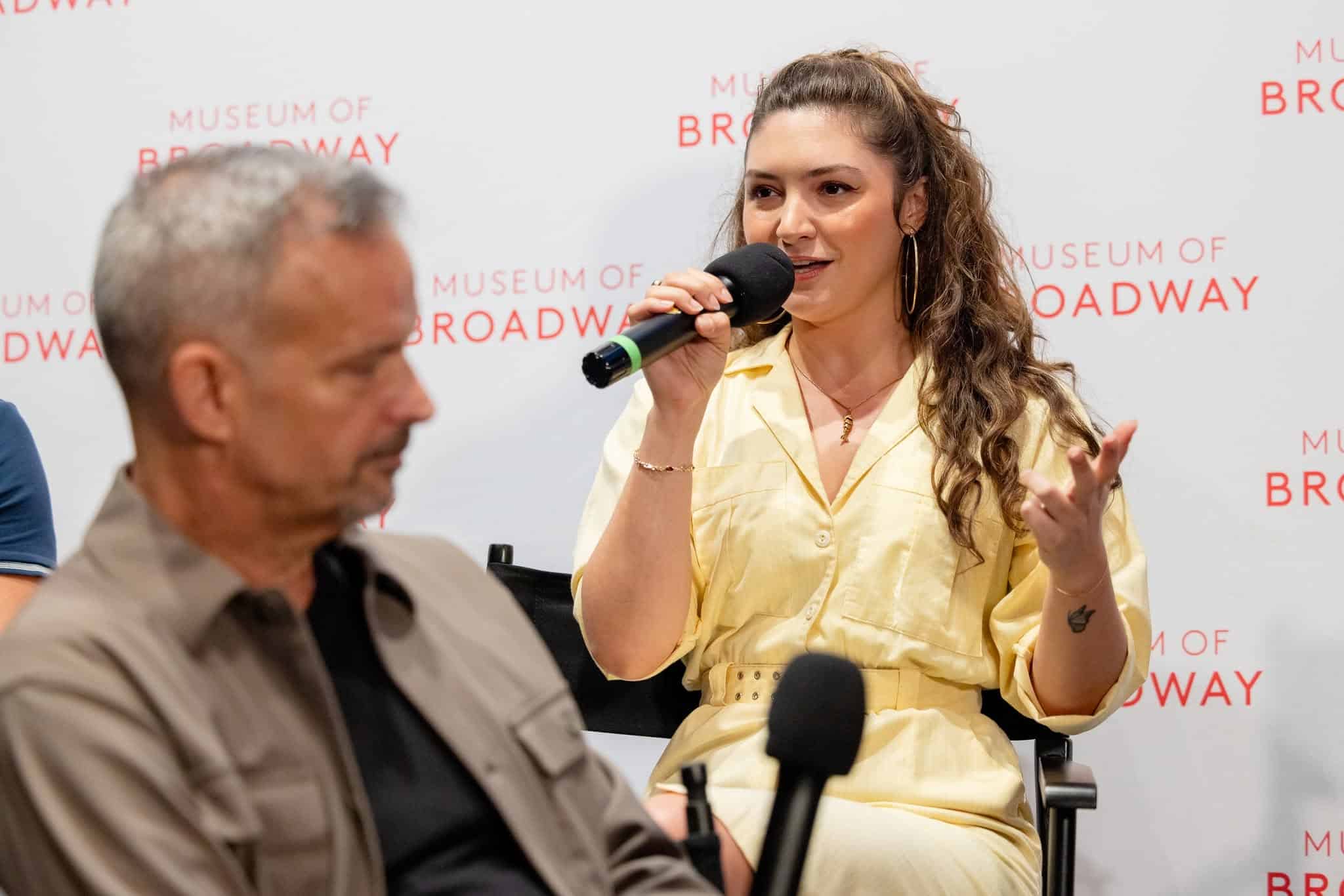
Alfredo Macias offered another important reminder: our relationships can be one of our greatest resources, so spread the word that you’re open for business!
He shared how he makes a point of letting people know when he is interested and available for work. Those conversations have led to opportunities throughout his career. It’s such a simple but powerful lesson: community isn’t only about who you know, it’s about staying connected. Our artistic communities can become networks of support, collaboration, information, and opportunity. Sometimes the next door opens because someone knows we are ready to walk through it.
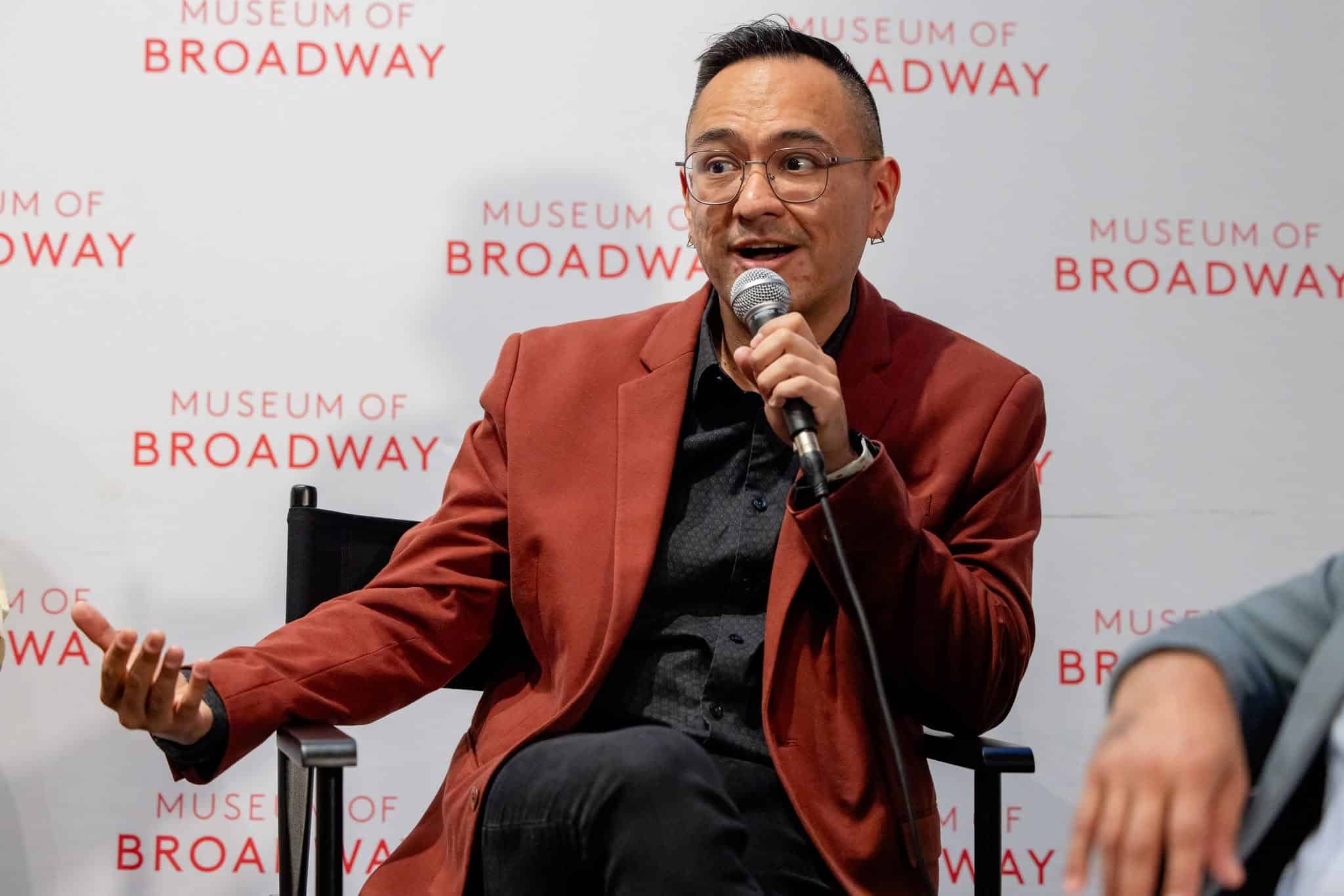
For Matías De La Flor, navigating the in-between has also meant looking beyond the opportunities immediately in front of him and seeking work that aligns with his interests and passions, like directing.
His experience reminds us that the spaces between projects can become opportunities to ask deeper questions: What else am I curious about? Where do I want to grow? What kind of artist do I want to become? An artistic career does not have to follow one predetermined path. Sometimes the next chapter comes from allowing ourselves to explore another side of our creativity.
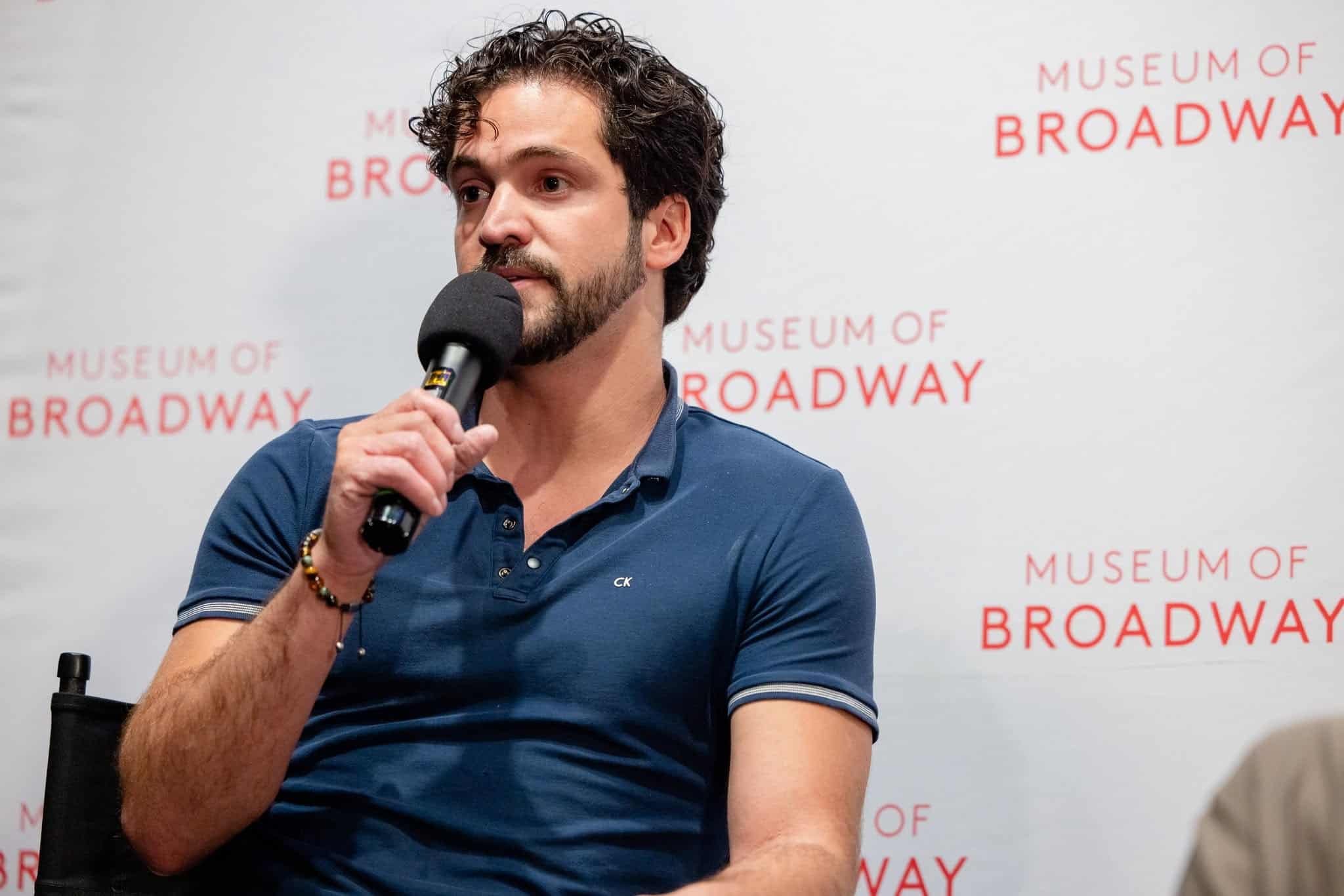
On the other hand, Rick Negron spoke about another meaningful way he spends his time between projects: teaching actors and sharing what he has learned with others.
There is something deeply valuable about that exchange. Our experiences do not only serve our own careers; they can become resources for the artists coming alongside and behind us.
Teaching, mentoring, and paying it forward allow knowledge to circulate within our community, and remind us that artistic impact extends far beyond the stage.
Of course, navigating an artistic career also requires something decidedly less glamorous: “admin” work.
Throughout the conversation, everyone emphasized the importance of creating a system that helps you stay organized and accountable during periods when a production schedule or rehearsal calendar isn’t structuring your days for you.
Luis shared how using an app to keep track of his daily tasks made staying organized feel simple, and even rewarding. The specific system matters less than finding one that works for you. Whether it’s an app, calendar, notebook, daily checklist, or another tool, creating structure can help turn an overwhelming question like “What should I be doing next?” into manageable steps.
As I listened to the conversation, I couldn’t help but reflect on my own journey as an artist.
There was a time when performing was at the center of my artistic identity. Then I stepped away from it for many years. Like so many artists, my path took turns I couldn’t necessarily have anticipated, and for a while, the performing arts were no longer at the center of my professional life.
But creativity has an interesting way of finding us again.
In recent years, I made a significant career pivot back into the arts, not by trying to recreate the career I once had, but by allowing myself to explore new expressions of who I am as an artist.
Today, that creativity shows up through dance education and voice acting. One allows me to share movement, culture, and creativity with young people; the other gives me the opportunity to use my voice to tell stories, inhabit characters, and connect with audiences in an entirely different way.
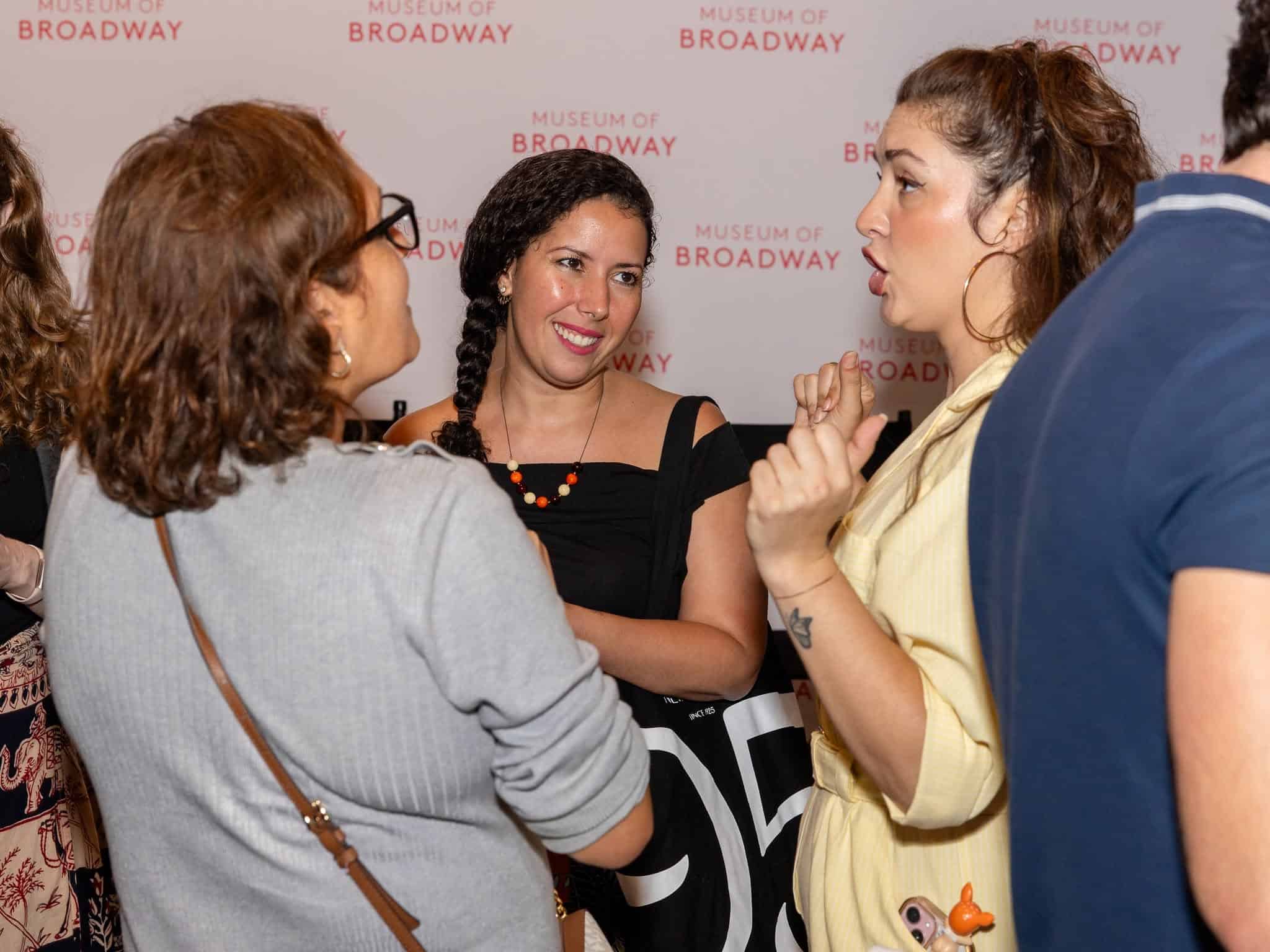
Listening to the panel reminded me that perhaps our artistic careers aren’t meant to follow a straight line. Sometimes the space between who we were and who we are becoming is where we discover possibilities we couldn’t see before.
My own “in-between” ultimately asked me to redefine what being an artist meant to me. I learned that returning to the arts didn’t have to mean returning to the same version of myself. It could mean bringing everything I had learned along the way into a broader, more expansive artistic life. And I am still exploring where that path might lead.
Perhaps the greatest takeaway from the evening was that there is no single right way to navigate an artistic career.
Sometimes the in-between asks us to rest.
Sometimes it asks us to reach out.
Sometimes it invites us to explore.
Sometimes it gives us an opportunity to give back.
And sometimes, it asks us to reinvent.
This is why conversations like these matter. When artists openly share not only their successes but also how they navigate uncertainty, we create a more honest picture of what an artistic life can look like. We also remind one another that we don’t have to navigate it alone.
I’m so grateful for spaces like R.Evolución Latina because they believe in the power of community, representation, and artistic expression to empower one another. The diversity of experiences shared during the panel reflected exactly that: different artists, different paths, different strategies, but a shared commitment to continuing the work.
Because an artistic career isn’t defined only by what happens when the curtain rises. It is also shaped by everything we do after it falls.
The reflection. The relationships. The exploration. The discipline. The generosity. The reinvention. The community.
That, too, is part of the artistic process.
And sometimes, the space between one chapter and the next is exactly where we discover who we are becoming.